Enhance Your Home With Skilled Architecture Services
Optimizing a home through expert design consultation involves more than just aesthetics. It requires a deep insight of usable design and local building codes. Engaging an veteran architectural professional can address everyday obstacles while enhancing property equity. The process is systematic and exhaustive, promising that every detail aligns with the homeowner's expectations. Yet, many homeowners struggle to progress through this journey competently. What steps can they take to secure a successful association?
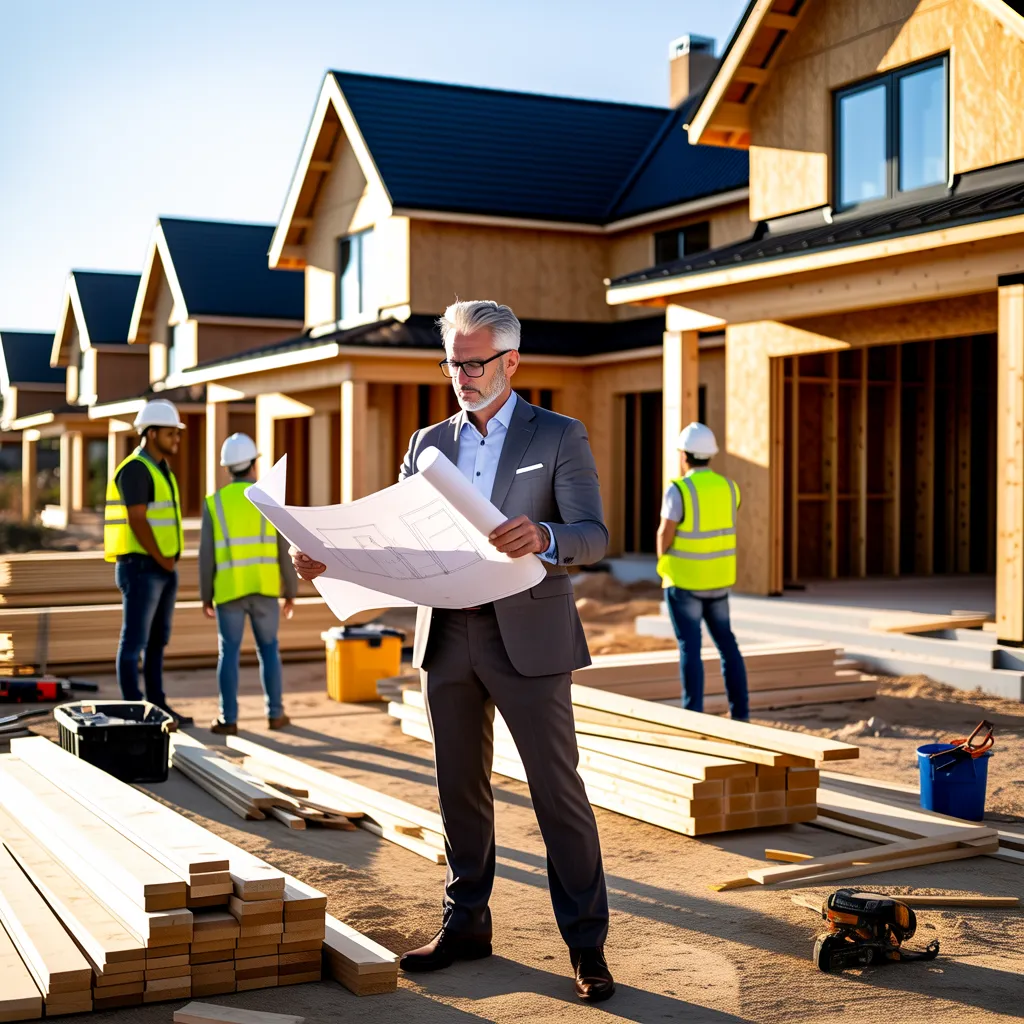
Common Home Design Challenges and How Architects Help
What makes home design so tough for countless homeowners? The complexity of merging personal design preferences with functional requirements often exhausts them. Homeowners commonly face challenges with spatial limitations, budget challenges, and regulatory standards, complicating harder. Additionally, many do not have the required expertise needed to address building considerations and building codes.
Architects represent an vital role in reducing these difficulties. Their expertise allows them to handle the subtleties of architecture, making sure that a resident's goal agrees with actual circumstances. Architects can offer groundbreaking strategies to improve space while respecting health regulations. They also participate in forming integrated designs that express the resident's taste. By imparting knowledge into materials and construction processes, architects assist expedite the decision phase. In the end, their proficiency translates a seemingly challenging project into a partnered process, encouraging a well-balanced balance between originality and applicability in home planning.
Benefits of Working With a Professional Architect
Engaging a professional architect enhances the house planning process by merging technical expertise with the homeowner's vision. Architects bring a wealth of experience in design methodologies, construction codes, and sustainability try now practices, guaranteeing that the initiative not only fulfills visual objectives but also adheres to legal requirements. Their skill in picturing and communicate intricate thoughts supports translating conceptual ideas into physical designs.
Furthermore, architects can provide innovative approaches to design barriers, perfecting layout and functionality. They also manage the intricacies of the building process, coordinating with contractors and suppliers to guarantee finances and schedules are adhered to. This expert oversight curtails mistakes and reduces the stress inherent in home construction or renovation. In conclusion, engaging with an architect achieves a well-crafted, unified space that reflects the homeowner's personality while enhancing overall home value.
What Constitute the Required Steps in the Architectural Process?
What is the way the building design process progresses from concept to completion? The progression begins with an first meeting, where the architect and client discuss goals, needs, and budget. This stage is vital for establishing a well-defined direction. Next, the architect conducts site analysis, examining factors like topography, weather patterns, and local codes.
Following this, the planning stage commences. Here, renderings and virtual prototypes are developed, allowing the client to visualize the project. Once the design is completed, the architect prepares comprehensive building plans, containing specifications and drawings.
After obtaining required permits, the project moves into the building stage. The architect often collaborates with contractors to ensure that the design is executed correctly. Frequent site visits and assessments help maintain quality and compliance to the initial vision. Finally, the project concludes in a inspection, confirming that the finished structure meets the client's expectations before the official handover.
How Should You Find the Perfect Architect for Your Home?
Discovering the right architect for your dwelling demands careful thought and research. Future homeowners should commence by identifying their specific desires and spending limit, which will shape their search. Advice from friends, family, or real estate professionals can deliver valuable prospects. Online galleries and reviews help with examining an designer's previous work and client happiness.
Next, potential customers should consult with multiple prospects to gauge their communication style, experience, and design methodology. It's essential to discuss project timelines and client expectations to ensure agreement. Furthermore, confirming qualifications and checking for relevant licenses and certifications can prevent future complications.
Ultimately, homeowners should follow their instincts. The ideal architect should not only demonstrate the necessary skills but also align with the homeowner's aspirations and values. This partnership creates a productive atmosphere, in the end producing a strong collaboration in constructing a dream home.
Tips for Sharing Your Objectives Clearly
Transmitting a objective for home design proficiently is indispensable for a successful partnership between property owners and design consultants. To achieve this, homeowners should start by explicitly specifying their requirements and selections. Producing a mood board with graphics, pigments, and textures can support transmitting aesthetic goals. Additionally, outlining functional requirements, such as space allocation and spatial arrangement, guarantees that the specialist appreciates operational aspects.
Property owners should also take part in frank discussion, encouraging questions and feedback to improve their direction. Frequent meetings throughout the design process foster collaboration and transparency. Employing straightforward language to express thoughts and worries can prevent misunderstandings and help align expectations.
Finally, being receptive to the architect's expertise allows for a more vibrant dialogue. By merging personal vision with professional insight, homeowners can facilitate a productive partnership that results in a beautifully designed space showcasing their aspirations.
Guide to Managing costs for Architecture Consultations
While starting a home design project, setting a budget for architecture services is crucial to avoid financial strain later. Homeowners should begin by investigating typical fees in their area, which can vary based on the project's complexity and the architect's experience. It is advisable to allocate a percentage of the overall project cost specifically for architectural services, typically ranging from 5% to 15%.
Next, clients should evaluate the scope of services required—whether they require comprehensive design and project management services or just initial consultations. Engaging in open discussions with prospective architectural firms about their fee structures can provide clarity on costs.
Additionally, homeowners should account for unexpected expenses and potential revisions, establishing a financial reserve in the budget. By clearly defining their monetary limits upfront, clients can verify they choose an design expert who aligns with their objectives while adhering to their budget constraints.
Common Questions Posed Regularly
What Styles of Architecture Are Accessible for My Home?
Homeowners are able to opt for from numerous architectural styles, featuring modern, traditional, colonial, Mediterranean, and contemporary. Each style offers unique aesthetic qualities and functional aspects, permitting individuals to express personal taste while factoring in regional influences and environmental factors.
What Time Period Does the Design Development Process Typically Take?
The design undertaking typically requires numerous months, based on complexity factors, design clearances, and local regulations. Considerations such as client direction and work schedules can also affect the timeline markedly over the full process.
Can Building designers Support With Sustainable Construction Alternatives?
Architects can clearly support with sustainable design choices. They incorporate sustainable materials, energy-efficient systems, and creative designs, ensuring projects minimize environmental impact while maximizing functionality and aesthetic appeal, aligning with clients' sustainability goals proficiently.
What Credentials Should I Consider When Selecting an Building Designer?
When appointing an architect, one should factor in their education, licensure, experience in relevant projects, portfolio showcasing design style, and awareness of local regulations. Capacity for clear communication and client testimonials also hold significant importance in the selection decision.
In What Ways Do Architects Deal With Zoning and Permit Matters?
Architects address zoning and permit issues by performing comprehensive analysis on regional requirements, assembling required paperwork, and working with municipal authorities. Their proficiency guarantees compliance, expediting the permitting timeline for customer developments efficiently.